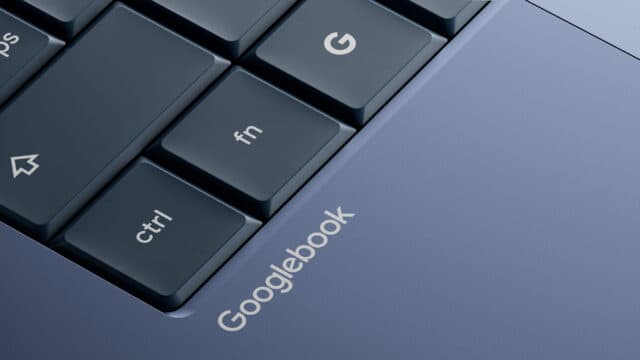
Google's Android-powered laptops are called Googlebooks, and they're coming this year
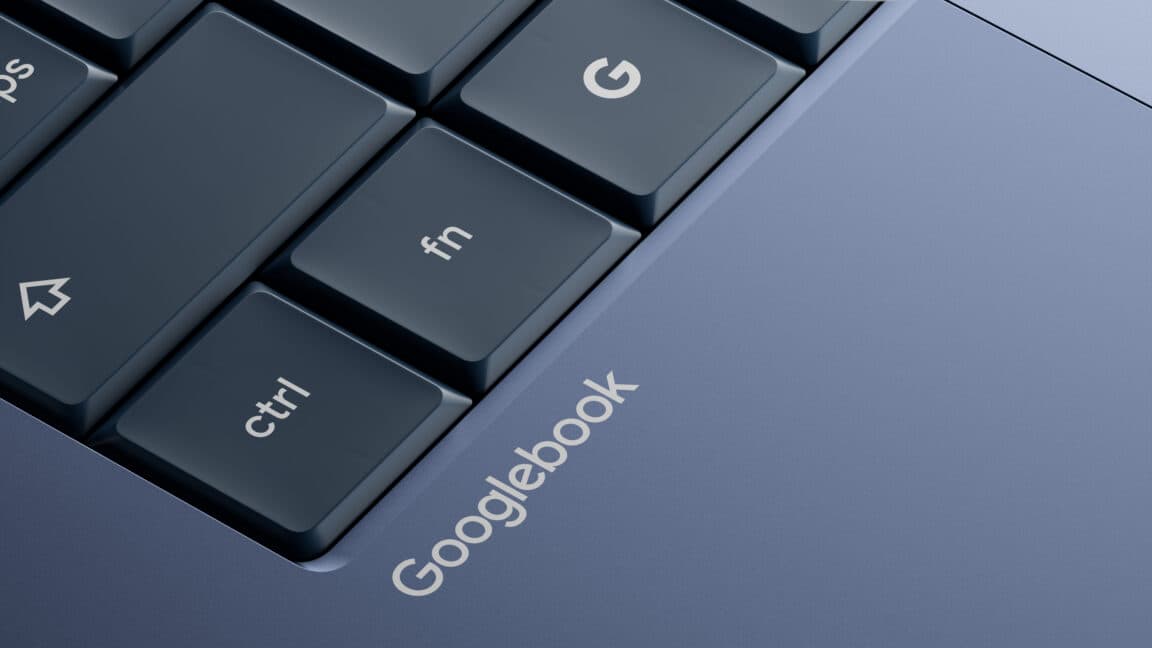
Google took its first swing at laptops with Chromebooks way back in 2011. These web-first laptops have seen success over the years, mostly in enterprise and education. Google insists Chromebooks aren’t going away, but the company’s focus has shifted to something new: Googlebooks. That’s what Google has decided to call the new line of Android-powered laptops, which will begin shipping later this year.
If you thought other Google products were steeped in Gemini, you haven’t seen anything yet.
Google says it designed Googlebooks from the ground up with Gemini Intelligence, and it all starts with the cursor. Google calls this the Magic Pointer. Just wiggle the cursor back and forth, and it will activate a full-screen Gemini experience. The AI will see what’s on your screen so it can make contextual suggestions and pull in data from multiple apps.
What can you do with that? Well, it’s all a bit vague. Google’s demos show how Magic Pointer can be used to select multiple images and instantly combine them with Nano Banana. Google also says you can use the cursor in AI mode to do things like suggest a calendar appointment simply by pointing it at the date in an email. Magic Cue, which has been available on Pixel phones since last year, will also be part of Googlebooks. This feature can recommend actions and surface information based on context like messages and emails.
There’s definitely a problem with discoverability in AI features, but it’s uncertain how many useful things generative AI can do with screen context. The best Microsoft could manage was Recall, and we all know how that went. So far, Google’s Magic Cue on phones hasn’t been a game changer—in fact, it rarely shows up at all. Can a laptop do any better?